 At the Bikepark & Bergbahn St. Johann • only 20 minutes to Kitzbühel • Hiking and climbing at the Wilder Kaiser • SuperSki Card ski pass with 2,750 km of slopes
1,300 km of bike tours • Top bike destination in the Alps • Hiking & climbing • 179 lifts / 508 km of slopes • Only 600 m to the Hochzillertal ski area • 10 min to the Zillertal Arena
In town: St. Kathrein Thermal Spa & Römerbad • 15 minutes from the most beautiful bathing lakes in Carinthia • incl. Sunshine Card • September & October including Carinthia Card with free cable car & more
At the Bikepark & Bergbahn St. Johann • only 20 minutes to Kitzbühel • Hiking and climbing at the Wilder Kaiser • SuperSki Card ski pass with 2,750 km of slopes
1,300 km of bike tours • Top bike destination in the Alps • Hiking & climbing • 179 lifts / 508 km of slopes • Only 600 m to the Hochzillertal ski area • 10 min to the Zillertal Arena
In town: St. Kathrein Thermal Spa & Römerbad • 15 minutes from the most beautiful bathing lakes in Carinthia • incl. Sunshine Card • September & October including Carinthia Card with free cable car & more
 Great location in the Kuhflucht nature and recreation park with views of the Zugspitze and Alpspitze • 5km to Garmisch-Partenkirchen • Eibsee • Partnachklamm • Near the hotel: heated outdoor pool, sports center
Open since November 15, 2024 • Skiing at over 3,000 m • Austria's largest glacier • 4 ski areas • Alpine pastures and mountain lakes • Stubai High Trail • Schlick 2000 Bike Park
Germany's southernmost holiday resort • perfect starting point for mountain hikes and bike tours • 200 km of hiking trails at all altitudes • Germany's largest and highest ski area
Piz Buin, Silvretta-Montafon with 300km of ski slopes • Silvretta High Alpine Road • directly at the Mountain Beach, 270km of bike trails
Ideal location at the valley station of the Hinterstoder cable car • Just a few steps from the village center • Active Card: 40 free and 20 bonus services daily
At the Alpspitzbahn in Nesselwang with summer tobogganing & Alpspitzkick • only 20 minutes to the royal castles • slopes, ski school, children's ski area & daily night skiing directly at the hotel
A few minutes from the famous Königssee • Berchtesgaden National Park • Watzmann • Kehlsteinhaus • Berchtesgaden Salt Mine • Outdoor pool only 200 m away • NEW: Jenner cable car
AREA 47 • 1,600 km of hiking trails • 870 km of mountain bike routes • WIDIVERSUM • Ötzi Village • Umhausen Birds of Prey Park • Stuibenfall
Great location in the Kuhflucht nature and recreation park with views of the Zugspitze and Alpspitze • 5km to Garmisch-Partenkirchen • Eibsee • Partnachklamm • Near the hotel: heated outdoor pool, sports center
Open since November 15, 2024 • Skiing at over 3,000 m • Austria's largest glacier • 4 ski areas • Alpine pastures and mountain lakes • Stubai High Trail • Schlick 2000 Bike Park
Germany's southernmost holiday resort • perfect starting point for mountain hikes and bike tours • 200 km of hiking trails at all altitudes • Germany's largest and highest ski area
Piz Buin, Silvretta-Montafon with 300km of ski slopes • Silvretta High Alpine Road • directly at the Mountain Beach, 270km of bike trails
Ideal location at the valley station of the Hinterstoder cable car • Just a few steps from the village center • Active Card: 40 free and 20 bonus services daily
At the Alpspitzbahn in Nesselwang with summer tobogganing & Alpspitzkick • only 20 minutes to the royal castles • slopes, ski school, children's ski area & daily night skiing directly at the hotel
A few minutes from the famous Königssee • Berchtesgaden National Park • Watzmann • Kehlsteinhaus • Berchtesgaden Salt Mine • Outdoor pool only 200 m away • NEW: Jenner cable car
AREA 47 • 1,600 km of hiking trails • 870 km of mountain bike routes • WIDIVERSUM • Ötzi Village • Umhausen Birds of Prey Park • Stuibenfall
Winter tour planning: Rules for wildlife reserves in the Alps
Protected areas and wildlife sanctuaries in the Alps
The Alps are not only a place of adventure for us humans, but also a sensitive habitat for numerous wild animals. To protect these habitats, there are various types of protected areas: from national parks and landscape conservation areas to wildlife sanctuaries. These are intended to ensure the long-term preservation of nature and wildlife, even in heavily frequented hiking areas.
What is a wildlife sanctuary?
A wildlife sanctuary or forest wildlife reserve is a temporarily or seasonally protected area where wild animals are meant to live undisturbed.
The goal is to avoid stress, flight responses, and energy loss – especially in winter, when animals are already under considerable strain.
Why rules apply especially in winter
The winter months are an exceptional situation for many wild animals. Their metabolism slows down, movements are minimized, and fat reserves are used strategically.
That's precisely why special rules apply to ski touring, snowshoeing, and winter hiking during this time. Every decision, no matter how small, actively helps to protect the wildlife of the Alps.
Right next to the winter fun: From the hotel to the slopes
From the Explorer Hotel Bad Kleinkirchheim, it's just a 3-minute walk from the hotel door to the Maibrunnenbahn cable car. No car, no searching for parking, no stress. Instead, more time on the slopes. Sounds like a pretty good deal, right?
By the way: There are numerous easily accessible destinations around Bad Kleinkirchheim – from family-friendly winter activities to cozy mountain huts serving Carinthian delicacies.
Your winter tour planning: Rules for wildlife rest areas
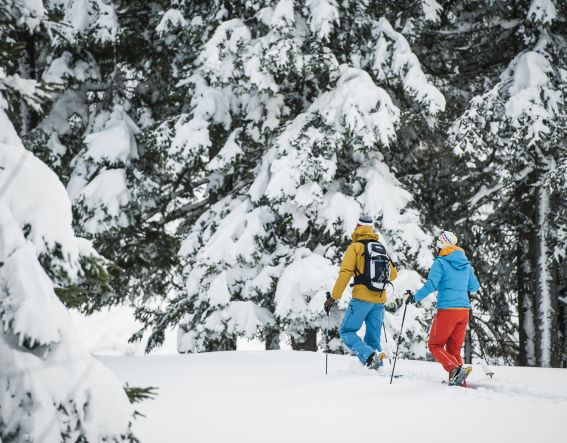
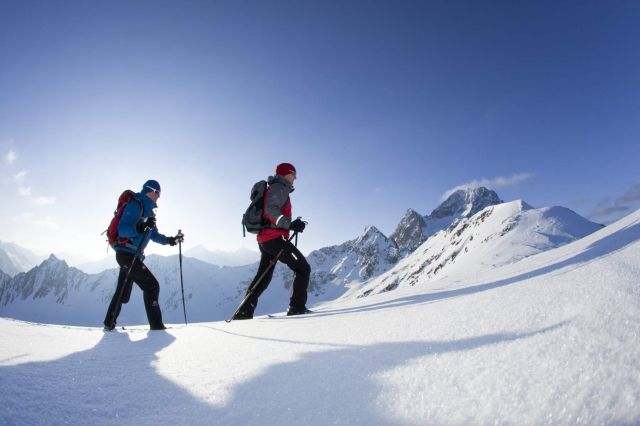
If you're out and about in winter – whether on a ski tour, snowshoe hike, or winter walk – it's worth checking beforehand: Where am I allowed to go, and where is it better to avoid? This way you protect the animals and plan without stress.
Path rules and rules of conduct
Where are there prohibitions or restrictions?
Many wildlife sanctuaries are clearly marked. Entry is either completely prohibited or only permitted on designated paths. If you are unsure, it is best to contact the local tourist office.
When do the prohibitions apply?
Especially in winter, seasonal closures are often in place, for example from December to March, when animals need to conserve energy.
Avoid twilight hours
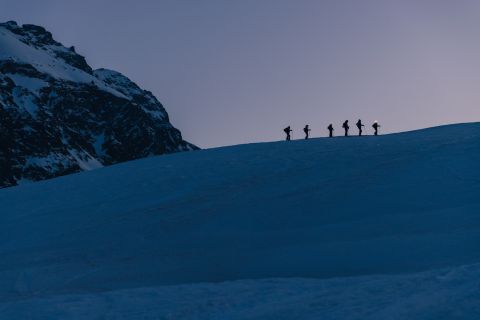
Yes, we also find sunrise and sunset tours spectacular – but these hours are especially important for wildlife.
Many animals forage for food or court at dusk. Disturbances during these sensitive times can therefore be very stressful for them.
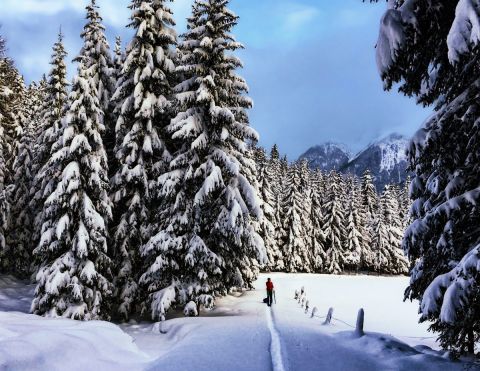
Forestry barriers
Temporary closures in the forest serve to protect you: logging operations, pest control, storm or snowfall damage can make paths impassable.
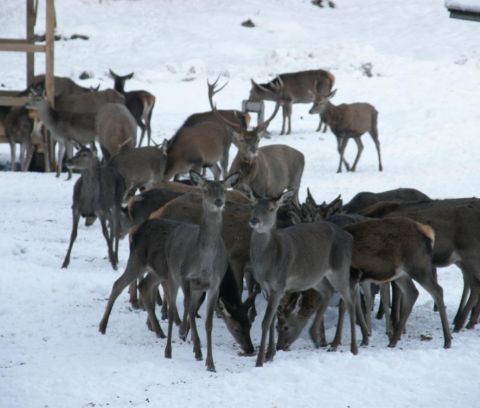
Wildlife rest areas are retreats for animals so they can feed and live undisturbed. Around feeding areas, the protected area is usually 300 meters, but this can vary depending on the region.
Overview: Dos & Don'ts in winter wildlife rest areas
Dos ✅
- Stay on marked trails
- Be considerate of animals and plants
- Observe closures and signs
- Keep groups small and quiet
- Get information in advance: signs, maps, apps
Don'ts ❌
- Go off-trail or take shortcuts through restricted areas
- Disturb or startle animals, e.g., at feeding stations
- Ignore restricted hours
- Make noise or let dogs run off-leash
- Litter
Practical tips for considerate tour planning in winter
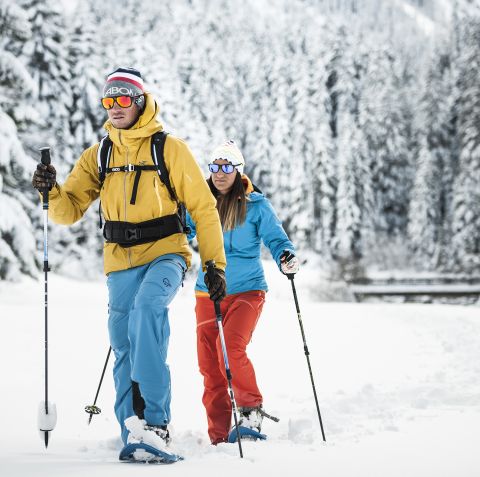
Sledding in Bad Kleinkirchheim
Don't worry! Even if you spend a lot of time in the mountains during winter, you can plan your tours in a way that protects wildlife while ensuring a safe experience. With a few simple steps, showing consideration becomes child's play.
Use of technical aids and resources
Digital tools make winter tour planning easier and safer – for you and the animals.
Map apps, GPS trackers, and dedicated tour planners show wildlife sanctuaries, restricted areas, and current information on closures.
Tip: Many alpine clubs also offer interactive maps with up-to-date information on protected areas – a must for every winter tour.
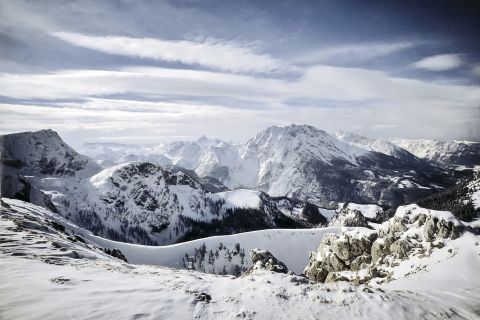
Year-round toboggan runs in Bad Kleinkirchheim
Nocky Flitzer – the Alpine roller coaster on the Turracher Höhe
From the mountain station, the Nocky Flitzer races down the 1.6-kilometer track with fast curves and jumps, reaching speeds of up to 40 km/h. It's suitable for children aged 3 and up, and daring kids aged 8 and up can even ride alone!
Kaiserburg Bob – Adrenaline with a view
Located right in Bad Kleinkirchheim, the 1.4-kilometer-long Kaiserburg Bob track offers a real thrill. Children aged 4 and up can ride along, and kids aged 10 and up can zoom off on their own.
Approximately 60 kilometers of winter hiking trails wind through Bad Kleinkirchheim and the gentle Nockberge mountains.
Fancy even more unspoiled nature? Then head to the Feld am See Alpine Wildlife Park, go snowshoeing through the Nockberge Biosphere Reserve, or take a trekking tour with llamas and alpacas – they're at least as photogenic as the breathtaking scenery!
Step-by-step guide: How to properly plan winter tours
1. Get informed
Check beforehand where wildlife sanctuaries are located and which paths are open. Maps, signs on site, or official websites can help you with this.
2. Use digital tools
Apps and online maps show restricted areas, route recommendations, and current information on winter closures. This way, you'll know immediately where you're allowed to go. Tip: Interactive alpine maps from associations are particularly helpful.
3. Choose routes carefully
Plan your tour on marked trails, avoid sensitive areas, and adhere to time restrictions. The less disturbance to wildlife, the better—especially in winter.
5. Signaling & Communication
Keep your group small, be quiet, and communicate the rules and considerations before the tour. Strictly observe signs and instructions – they are not optional but serve to protect both animals and people.
6. Reacting Correctly During Encounters
Small things count: No shortcuts through restricted areas, no loud noises, and no dogs off-leash. Every bit of consideration makes the tour safer and less stressful for everyone. If you encounter wild animals, remain calm, keep your distance, and do not approach them directly.
You can find further information, for example, at the "Respect Your Boundaries" initiative: https://respektiere-deine-grenzen.at/.
Häufige Fragen zu Schutzgebiete in den Alpen