

Discover, participate in and enjoy traditional Bavarian village life
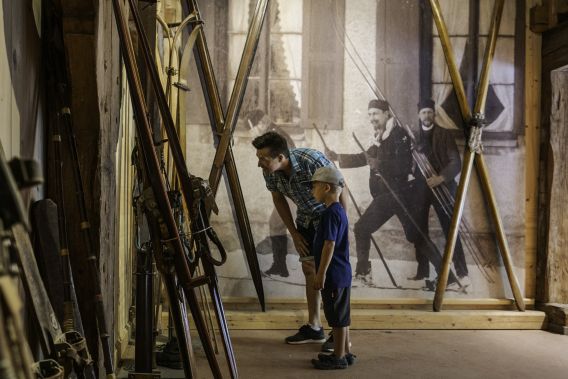
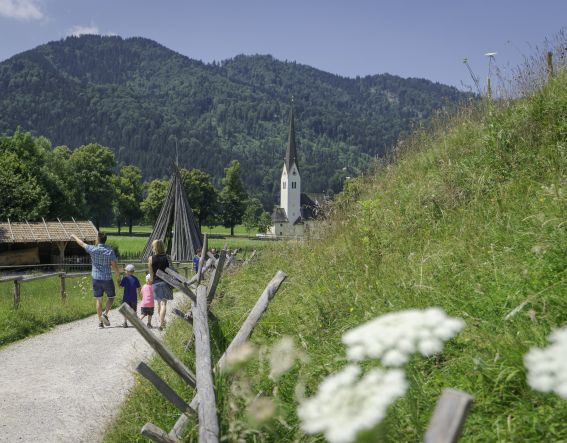
How did people live in the Bavarian Oberland in the past? At the Markus Wasmeier Open-Air Museum, you travel back in time in the heart of the Schliersee mountains to a time when almost everything on the farms was still done by hand. Historic buildings, traditional crafts, and animal villagers bring history to life here.
You can stroll leisurely through the museum village among old wooden houses, gardens and workshops, discovering something new every time you go.
This is what awaits you
- Historic farms: Discover authentically reconstructed farms and learn how people used to live and work.
- Traditional crafts come alive in the blacksmith's shop, carpentry workshop, shoemaker's shop, and distillery. Craftspeople are active in the museum village almost every day.
- Animal villagers: mountain sheep, cattle, pigs, ducks, chickens, geese and bees create a real farm atmosphere.
- Fun for kids: Animals, play stations and changing children's activities make the museum visit varied for families.
- Guided tours and events: Depending on the date, there are open guided tours, puppet shows, courses, and special activity days, among other things. It's worth taking a look at the events calendar.
Good to know
- Season: End of March to beginning of November
- Opening hours: Tuesday to Sunday, 10:00 to 17:00
- Day off: Monday, except on public holidays
- Children and young people up to and including 15 years of age: free of charge
Address: Brunnbichl 5, 83727 Schliersee/Neuhaus
Free parking is available directly at the museum. It's also easy to get there without a car: Fischhausen-Neuhaus train station is right next to the open-air museum. The RB 55 regional train runs hourly between Bayrischzell and Schliersee and will take you comfortably to Fischhausen-Neuhaus. The museum is also accessible by public bus – its location at the train station provides excellent connections to the regional bus network.
Dogs are allowed on the grounds on a leash, but must wait outside the historic buildings. The museum grounds are generally wheelchair accessible, however the paths are not paved. Sturdy footwear is therefore recommended.